
Chris Marshall
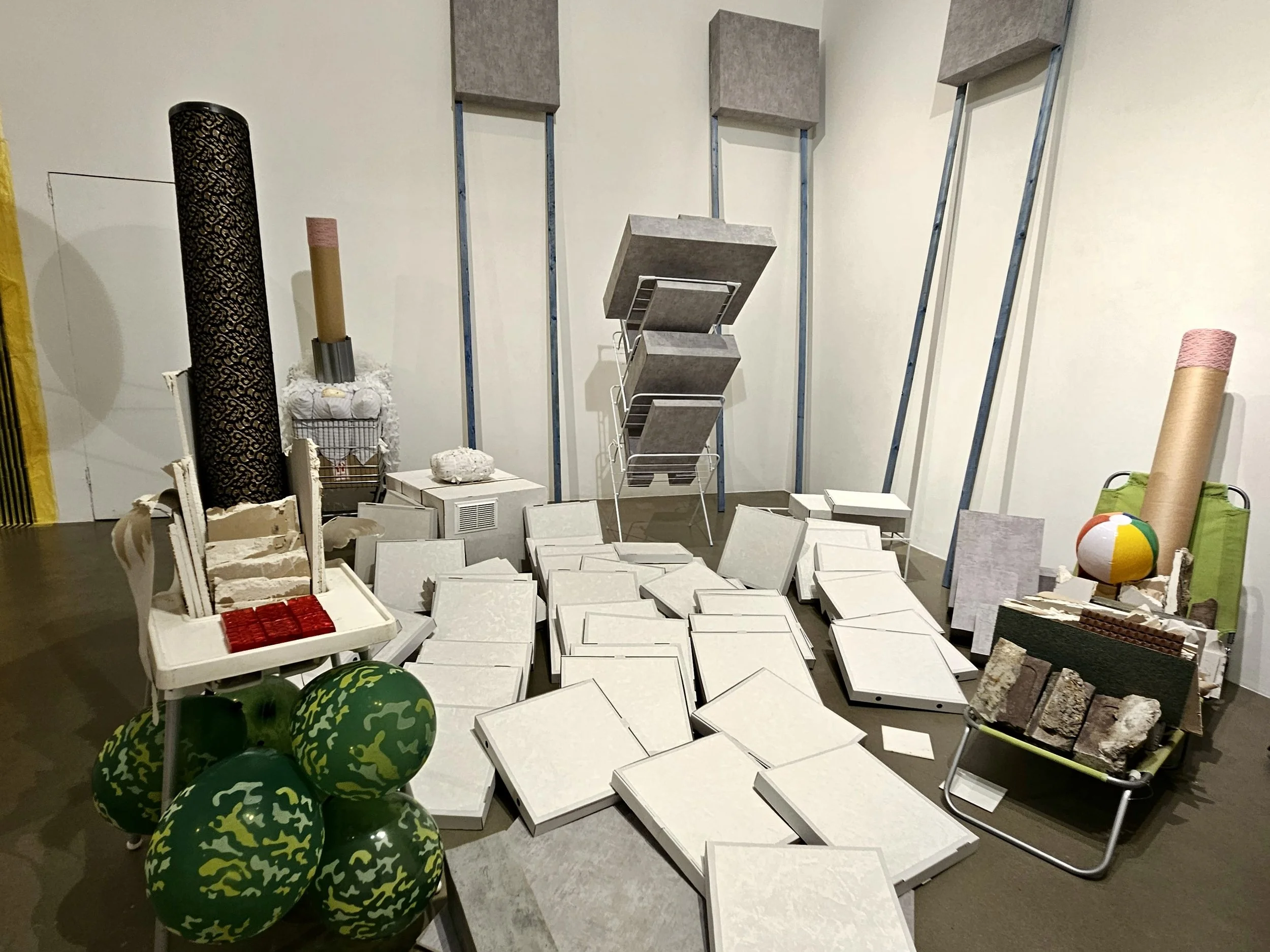
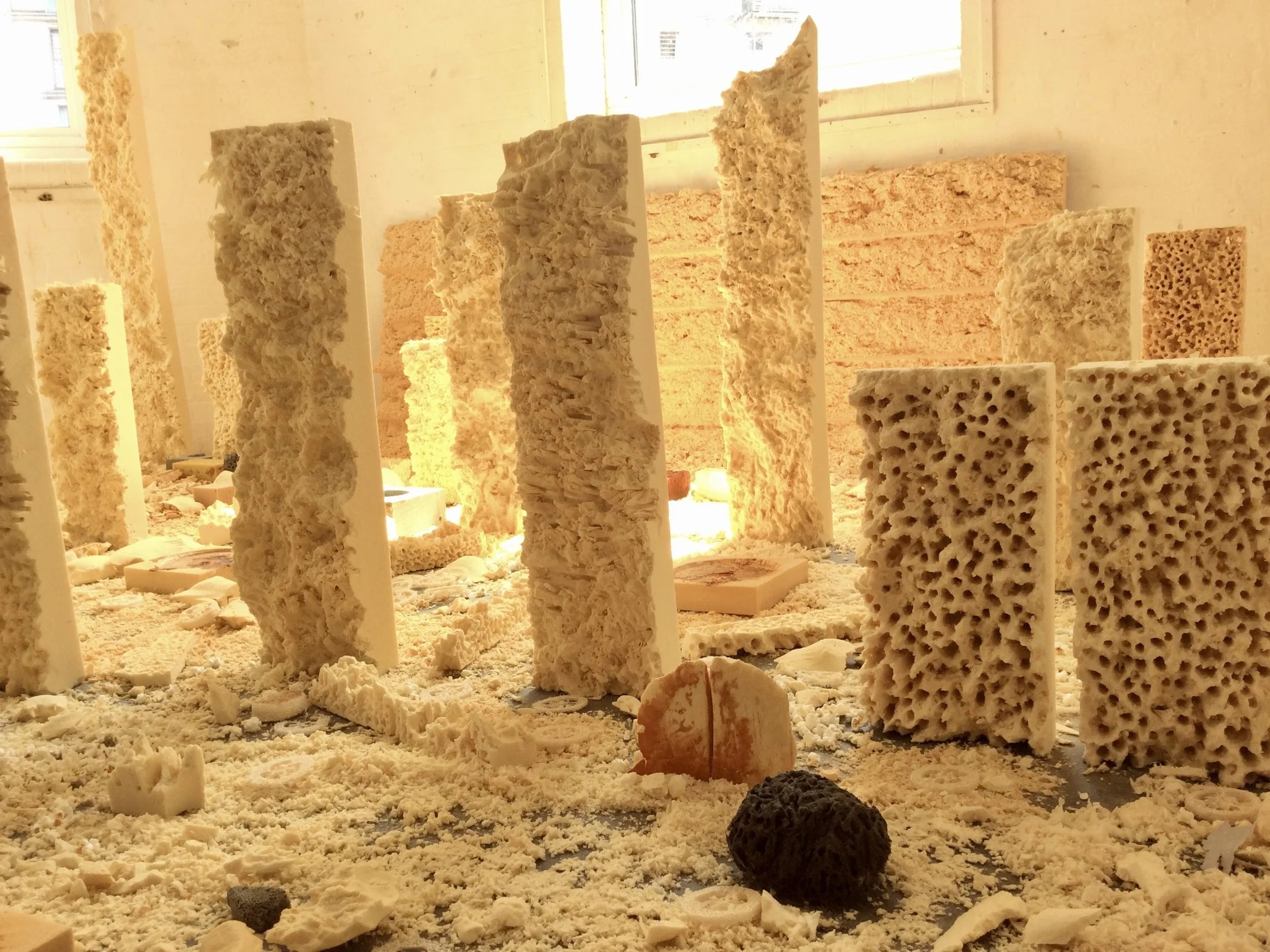
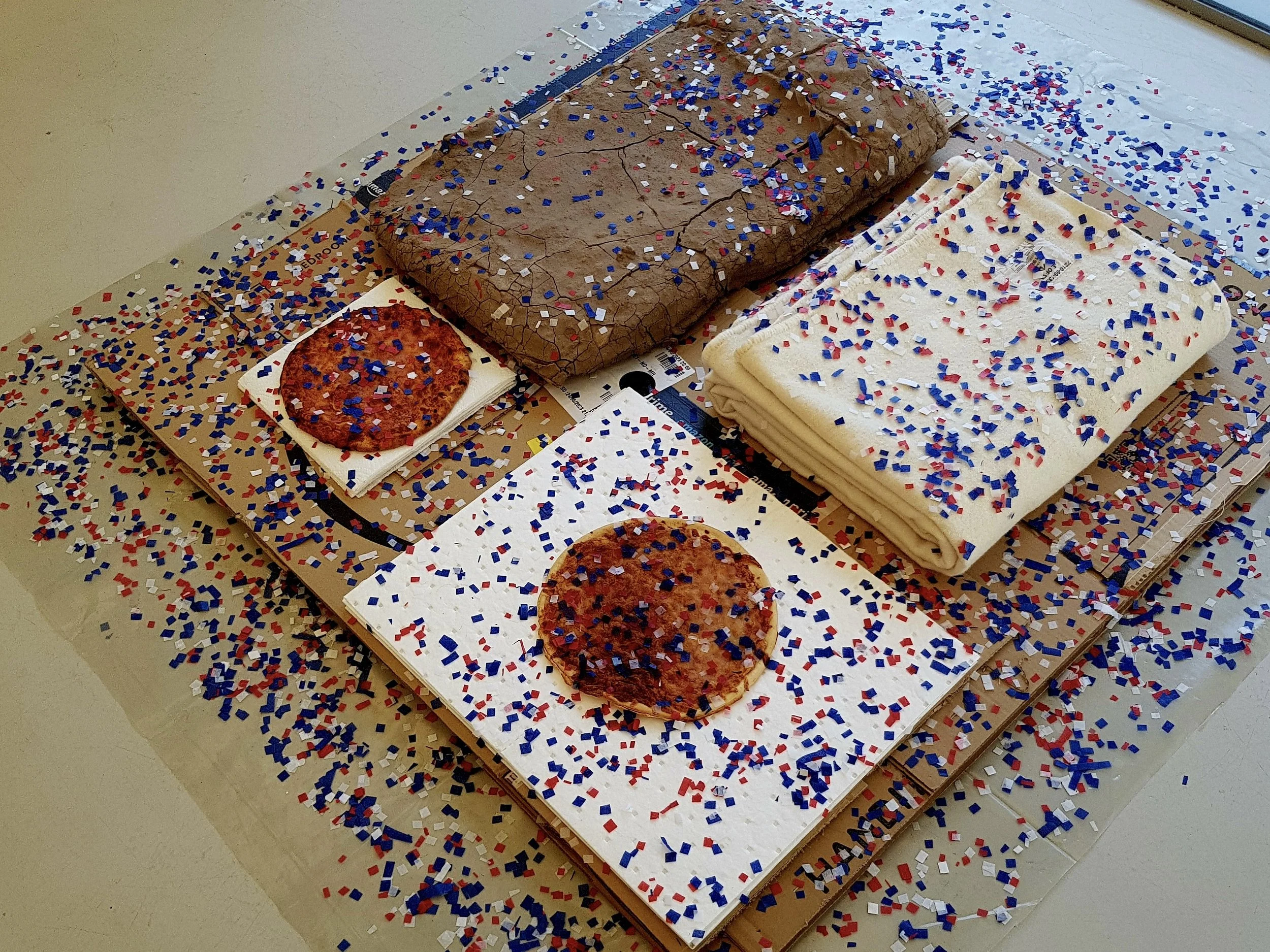
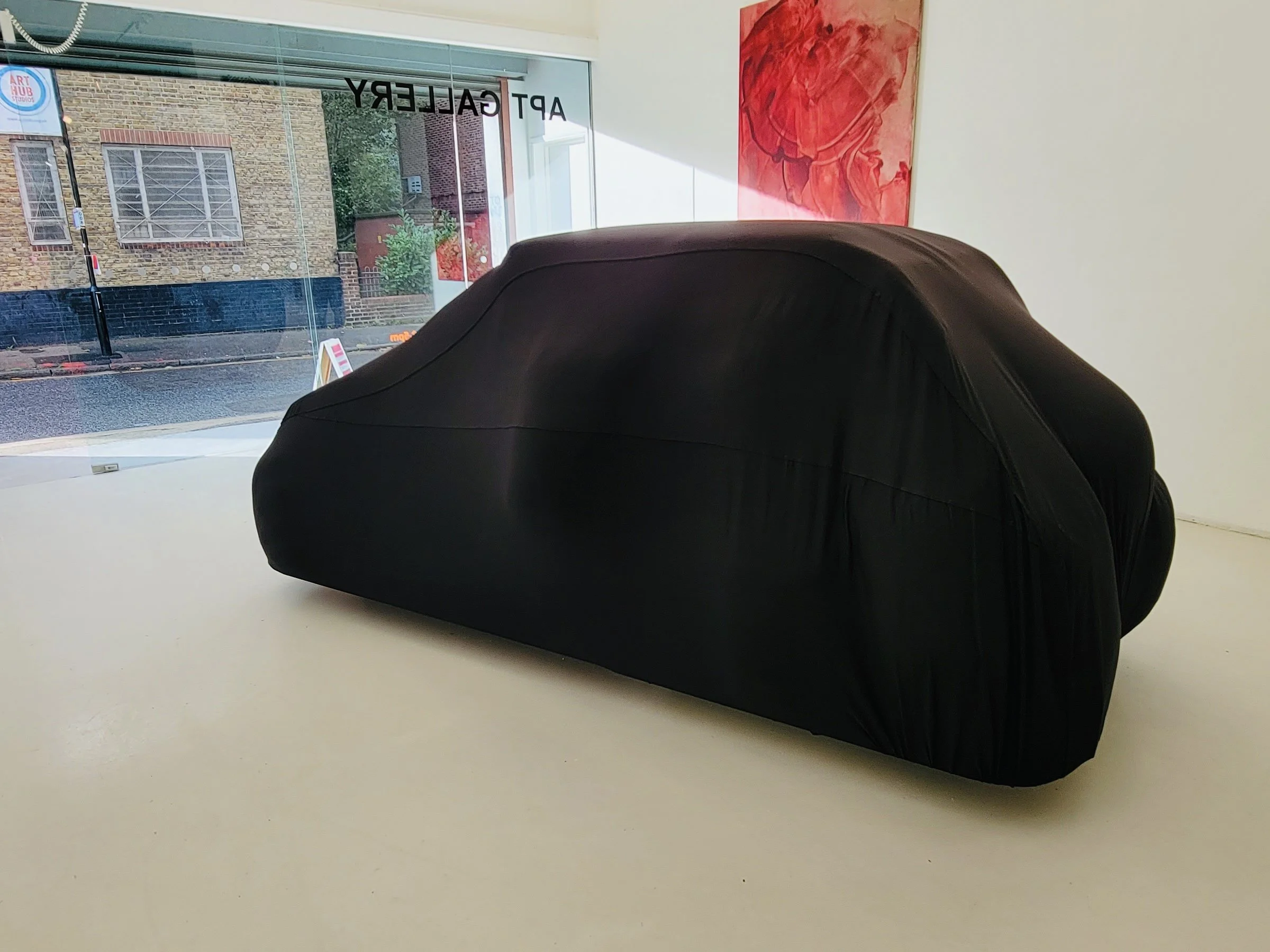
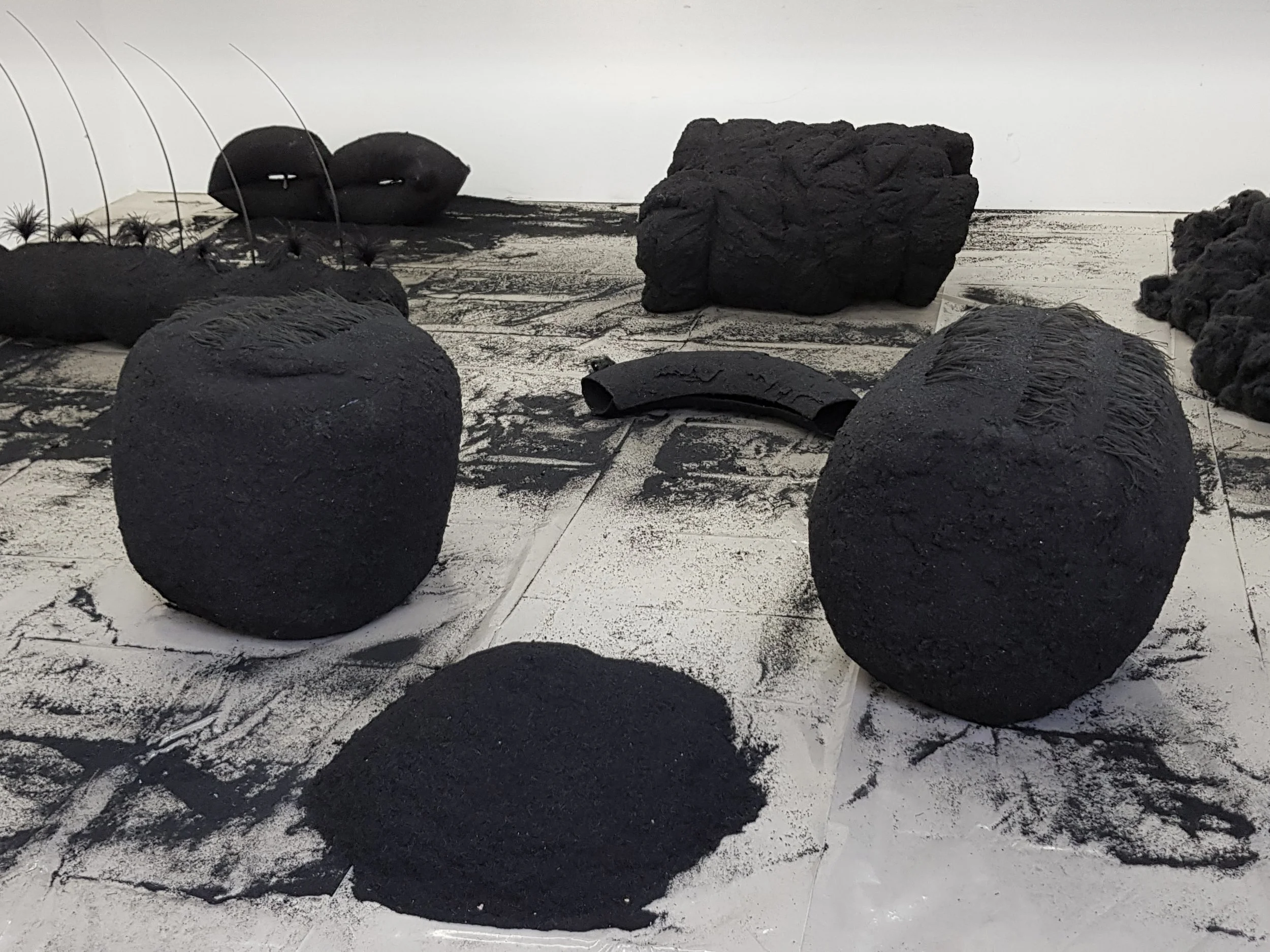
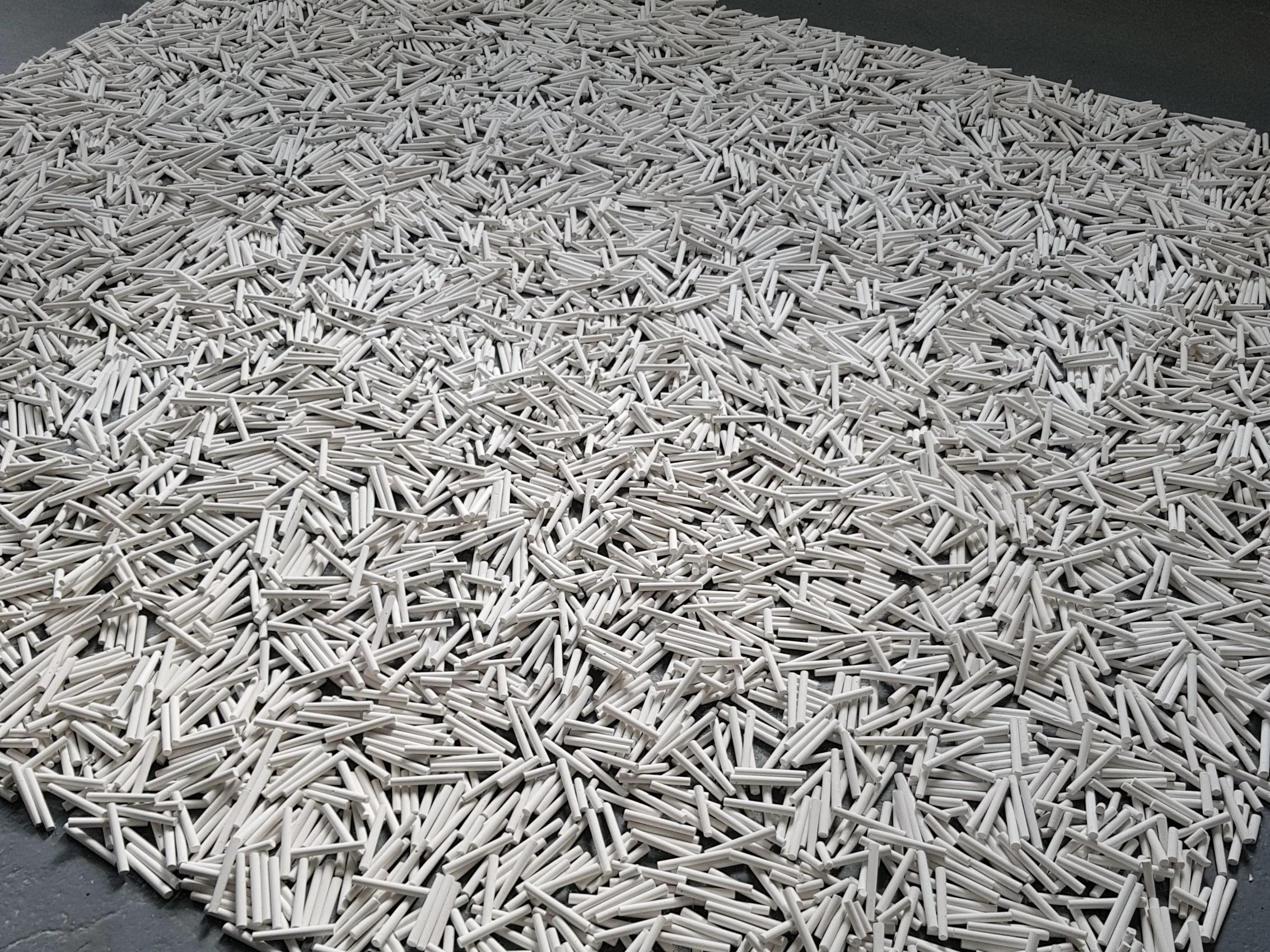
Chris Marshall has been working at APT since it’s earliest days, and formation. His practice continues to be as inventive and radical as ever, frequently employing unorthodox materials, substances, and stuff. In 2003, he incorporated 5000 used cigarette ends in a lightwork for Deptford X Festival, and in 2011 live duckweed was used to construct an installation. In 2018 he fabricated a tree sculpture from natural sponges, exhibited in the Waterloo Festival at St John’s Church, Waterloo. One of his more unusual works was a 8 metre replica of a giant squid, fabricated from water soaked toilet and kitchen rolls. The element of surprise, the weird and eerie are prevalent in much of the work, along with a strong hint of humour. He likes to shock and disrupt, nudging observers into unknown and questionable territories.
He has deep concern for the environment and this has become increasingly a focus responding to climate, humanitarian and environmental issues as a catalyst for his concepts. Much of his earlier work focussed on interactions with nature and the natural environment. In 1974 he converted the ground floor interior of a council house into the interior of a blue whale as part of Newcastle Festival, highlighting concerns for the conservation for the plight of whales. He later returned to similar themes fabricating sculptures and installations around sea lions, the ocean, octopuses and turtles.
Similarly land and landscape themes have been a reoccurring focus. In 1978 he created ‘Marshland’, an installation for The AIR gallery London. Fabricated from vegetation, water and living creatures, he replicated a large scale primeval bog.
Of late he has encompassed a more openly political approach. This has necessitated a more direct and contentious attitude to the works format, choice of materials and fabrication. It is reactive and evolves from and responds to concerns and observations that he finds in our present day political and social environment.
He has exhibited nationally and internationally in galleries, museums, public spaces and alternative venues. Often seeking unusual platforms to enable the works to become more accessible.